He Is Still David Back to list
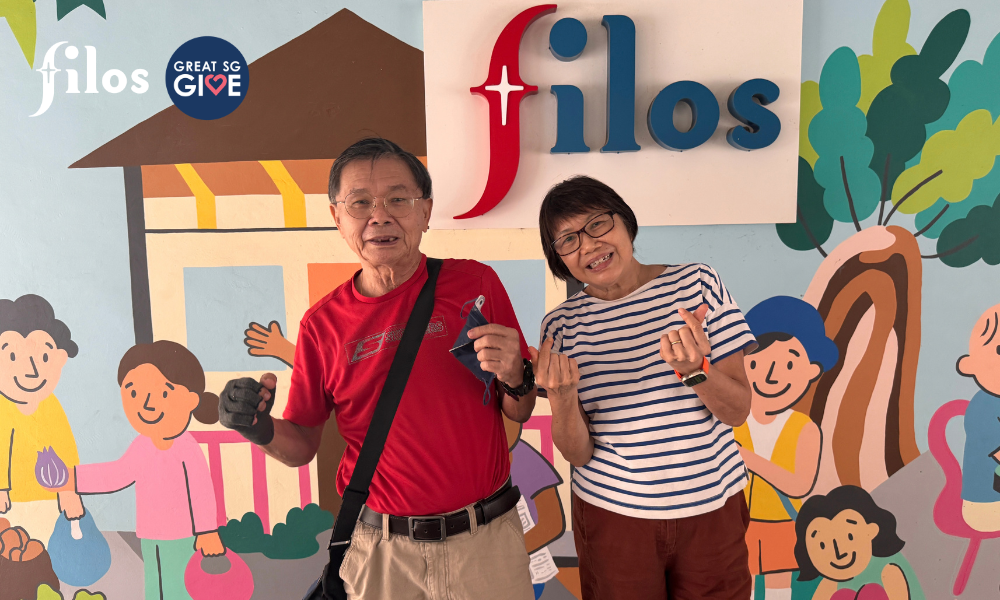
When Catherine talks about her older brother David, she does not begin with his Alzheimer’s diagnosis. She talks about the person he has always been. “He gives generously,” she says.
At 75, David has spent much of his life working and living independently. Even as his memory has changed, there are parts of him that remain deeply familiar to his younger sister; his personality, his warmth and the generosity with which he treats the people around him.“He is still David,” Catherine says.
It is something she tries to remember, even as their relationship has gradually taken on another dimension: sister and brother, but also caregiver and care recipient.
Finding the balance between safety and independence
David retired in 2024 after a series of falls eventually led to medical investigations and an Alzheimer’s diagnosis.
He continues to live on his own, not far from Catherine. For her, supporting him has become a careful balance between keeping him safe and allowing him to retain as much independence as possible. She checks in with him every day. She helps to make sure he has food, keeps track of his medication and sends him reminders about what he needs to take. A tracker provides some reassurance when he is out on his own.
Yet there have also been frightening moments.
There have been times when Catherine could not reach David at home and did not know whether he was safe inside. Each experience adds another layer to the questions she has to navigate: When should she step in? When should she give him space? How much independence is safe?
There are rarely straightforward answers. “I just took on this role as a caregiver,” Catherine says. “I find it my responsibility to help my brothers.” David is not the only sibling she looks out for. Another of her older brothers has been living in a nursing home for many years, and Catherine continues to be involved in his life too. Caregiving, for her, has become part of the everyday.
A place David looks forward to
Wanting to find something that could keep David meaningfully engaged, Catherine came across Filos’ Cognitive Stimulation Programme (CSP) in Chai Chee.
Twice a week, they make the journey from Tampines to attend. Through group activities, conversations, music and other forms of engagement, David has an opportunity to participate, interact with others and simply enjoy himself. For Catherine, seeing her brother engaged has been encouraging. “CSP is good for us,” she says.
And perhaps one of the clearest signs of what the sessions mean to David comes from a simple question he asks his sister, “When is the next session?”.
During the sessions, Catherine does not simply sit on the sidelines. She joins in, encouraging David while allowing him the space to participate for himself. It is another small expression of the balance she is continually learning, being there without taking over.
The caregiver beside him
Supporting David takes time and energy, but Catherine is also intentional about holding onto the other parts of her life. Since retiring in 2019, she has remained active in her community. She takes part in activities, volunteers, attends church and continues learning and trying new things. “I have to stay active to stay sane,” she says.
That does not mean caregiving is easy. There are days when the responsibility feels heavier than others, and Catherine admits that she has felt tired and exhausted. “Day to day, it’s a roller coaster.”
Still, she keeps going; supported by her husband, her faith and the routines she has built around herself.
Her experience reflects a reality shared by many caregivers: caring for someone does not happen separately from the rest of life. It exists alongside family, relationships, responsibilities, plans and the caregiver’s own need for rest and connection. Through all the reminders, check-ins, journeys to Chai Chee and decisions about when to step forward or step back, Catherine tries not to lose sight of the brother she has always known.
Because a diagnosis may change the support someone needs. It does not change who they are.
Caring, Together
David and Catherine’s experience is one of the stories behind Caring, Together, Filos’ 2026 Community Mental Health fundraising campaign. Through Filos’ Care Connect services, we walk alongside individuals and caregivers as their needs change; creating opportunities for meaningful engagement, connection and support in the community.
For David, that can mean having a place where he can participate, sing, learn and look forward to returning. For Catherine, it means knowing that she does not have to navigate every part of the journey on her own. Because behind every diagnosis is still a person. And beside them is often someone learning, day by day, how to care.
Help us continue walking alongside individuals like David and caregivers like Catherine. Support Caring, Together today.